
Inimical
ɪˈnɪmɪkəl
adjective
tending to obstruct or harm; hostile
The word 'inimical' comes from the Latin word 'inimicus,' which means 'unfriendly' or 'hostile.' It is used to describe something that is harmful, antagonistic, or detrimental to someone or something.
See how George R. R. Martin, Stephen King and 3 other authors use "inimical", with its meaning, pronunciation and real book examples.
Examples from books
In the middle of one of the longest sentences, he stopped the rotary motion of the snuffbox, raised his head, and with inimical politeness lurking in the corners of his thin lips interrupted Weyrother, wishing to say something.
Leo Tolstoy
War and Peace

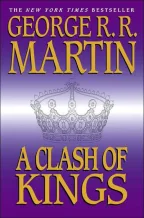
The Frostfangs were as cruel as any place the gods had made, and as inimical to men.
George R. R. Martin
A Clash of Kings
Mixed among the Ansariyeh were colonies of Syrian Christians; and in the bend of the Orontes had been some firm blocks of Armenians, inimical to Turkey.
T. E. Lawrence
Seven Pillars of Wisdom

It was inimical, but that was not the problem.
Stephen King
The Waste Lands (The Dark Tower, Book 3)

1 reads “considerable advantage that it should.” ↩︎ Primogeniture and entails are censured as inimical to agriculture in Lectures, pp.
Adam Smith
The Wealth of Nations