
Hackneyed
ˈhæk.nid
adjective
lacking in originality; overused and unoriginal
The word 'hackneyed' comes from the term 'hackney,' which originally referred to a horse that was available for hire. Over time, 'hackneyed' has come to describe ideas or expressions that have been used so often that they lack freshness or originality.
See how Jane Austen, Stephen King and 3 other authors use "hackneyed", with its meaning, pronunciation and real book examples.
Examples from books
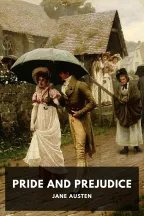
It does not often happen that the interference of friends will persuade a young man of independent fortune to think no more of a girl, whom he was violently in love with only a few days before.” “But that expression of ‘violently in love’ is so hackneyed, so doubtful, so indefinite, that it gives me very little idea.
Jane Austen
Pride and Prejudice
I felt nothing but a certain interest in the subject of the picture; or more often, when the subject was hackneyed and religious, I felt nothing but a great weariness of spirit.
Aldous Huxley
Crome Yellow

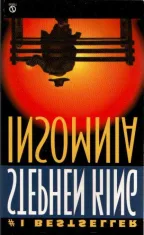
It was surely wrong to critique a madman's delusional fantasies the way you might a play or a movie-maybe even blasphemous-but Ralph found the idea that Helen had been beaten because of such hackneyed old shit as this infuriating.
Stephen King
Insomnia
Besides, though taste latterly had deteriorated to a degree, original music like that, different from the conventional rut, would rapidly have a great vogue, as it would be a decided novelty for Dublin’s musical world after the usual hackneyed run of catchy tenor solos foisted on a confiding public by Ivan St. Austell and Hilton St. Just and their genus omne.
James Joyce
Ulysses

The men leaned back on their heels, put their hands in their trousers-pockets, and proclaimed their views with the booming profundity of a prosperous male repeating a thoroughly hackneyed statement about a matter of which he knows nothing whatever.
Sinclair Lewis
Babbitt